
The Nigerian Exchange (NGX) is having one of its most remarkable runs in years. As of mid-2026, the NGX All-Share Index has posted a year-to-date return of over 57%, and the total market capitalisation of listed equities sits at more than ₦157 trillion. While inflation has been quietly eroding the value of money sitting in savings accounts, Nigerians who invested in stocks have watched their portfolios grow in naira terms.
The good news? You no longer need a stockbroker in a suit, a finance degree, or a large sum of money to participate. With today's digital investment platforms, any Nigerian with a BVN, a valid ID, and a smartphone can start buying shares on the NGX. You can begin with as little as ₦1,000.
This guide walks you through exactly how to buy stocks in Nigeria, from understanding what the NGX is, to opening an account, placing your first trade, and knowing what risks to watch out for. Whether you are a complete beginner or someone curious about the stock market for a while, this is the place to start.
What Is the Nigerian Exchange (NGX) and How Does It Work?
The Nigerian Exchange Group (NGX), formerly known as the Nigerian Stock Exchange (NSE), is Nigeria's primary platform where companies list their shares for the public to buy and sell. Think of it as an organised marketplace, except instead of goods and services, people are trading ownership stakes in companies like Dangote Cement, Zenith Bank, MTN Nigeria, BUA Foods, and hundreds more.
When you buy a share of a company on the NGX, you are buying a small piece of that business. If the company performs well, the value of your shares can rise, and you may also receive dividends, which are cash payments distributed to shareholders from the company's profits.
What Kinds of Stocks Can You Buy?
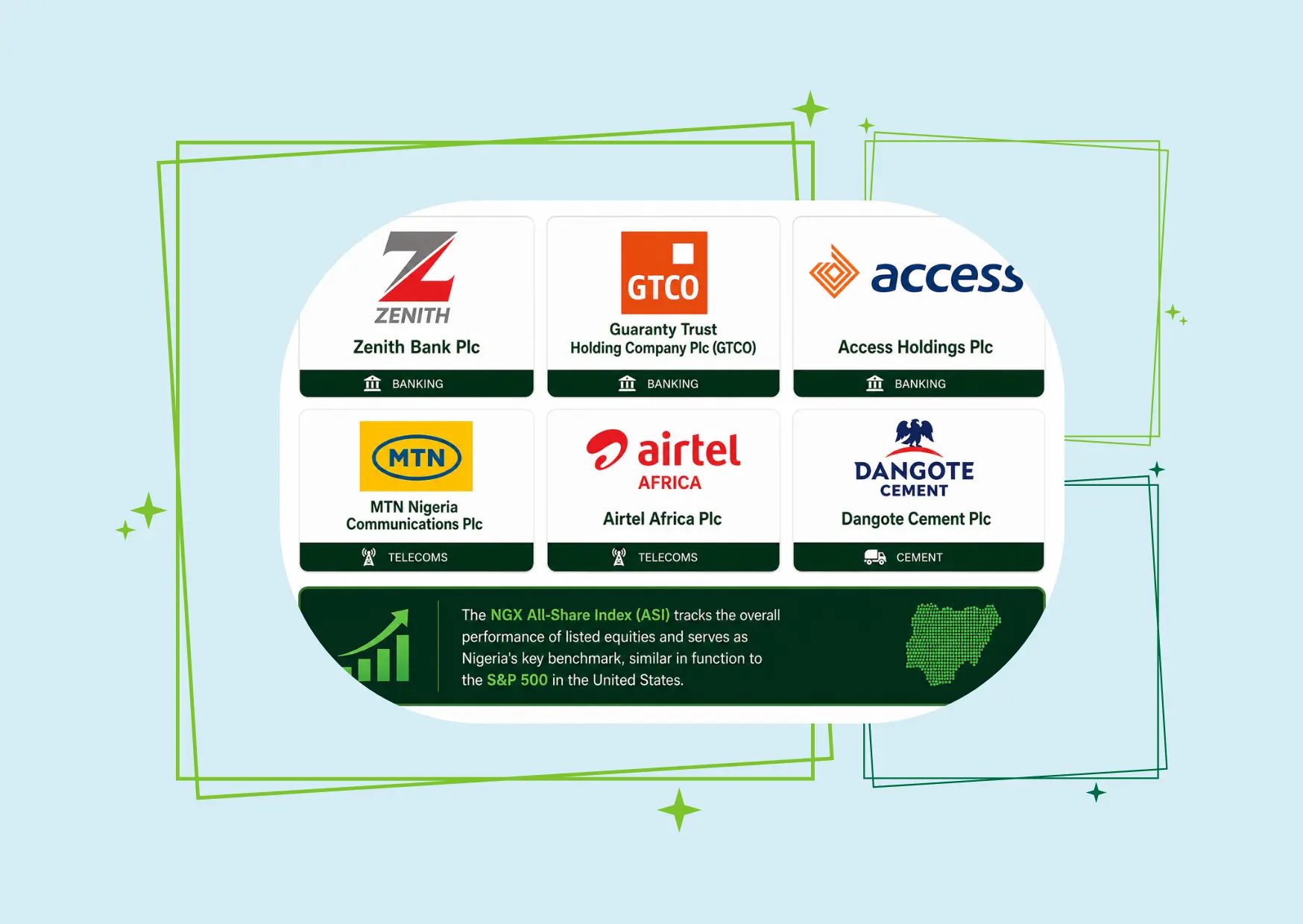
The NGX lists equities across several sectors. The most actively traded include Nigerian banking stocks (Zenith Bank, GTCO, Access Holdings), telecoms stocks like MTN Nigeria and Airtel Africa, consumer goods companies, Nigerian cement stocks like Dangote Cement and BUA Cement, and oil and gas stocks. The NGX All-Share Index (ASI) tracks the overall performance of listed equities and serves as Nigeria's key benchmark, similar in function to the S&P 500 in the United States.
Who Regulates the NGX?
The NGX operates under the supervision of the Securities and Exchange Commission (SEC) Nigeria. The SEC licenses stockbrokers, monitors market activities, and exists to protect the interests of investors. Any platform or individual executing trades on the NGX must be registered with both the NGX and the SEC. This regulatory structure is what gives the market its credibility and makes your investments more secure than unregulated alternatives.
As of April 2026, the NGX also extended its daily trading hours to run from 9:00 AM to 4:00 PM (West Africa Time), up from the previous 9:30 AM to 2:30 PM window, a sign of a growing and maturing market.
What Do You Need Before You Can Buy Stocks in Nigeria?
Before you place your first trade, there are a few things you need to have in place. The requirements are straightforward, and most can be completed entirely from your phone.
A CSCS Account: What Is It and Why Do You Need One?
The Central Securities Clearing System (CSCS) is the electronic system that records who owns which shares in Nigeria. Every investor on the NGX must have a CSCS account. When you buy shares, they are not physical certificates you collect. They are held digitally in your CSCS account.
Each CSCS account comes with a unique Clearing House Number (CHN). Think of it as your BVN, but specifically for your stock investments. This number identifies you as an investor across the Nigerian capital market. The good news is that you do not need to open a CSCS account separately. Your stockbroker or investment app will create one for you automatically when you register.
A BVN and Valid ID
To open a brokerage account in Nigeria, you will typically need your Bank Verification Number (BVN), a government-issued photo ID (National ID card, voter's card, driver's licence, or international passport), and in some cases, a utility bill for address verification. Most digital platforms today handle all of this through an in-app KYC (Know Your Customer) process that takes a few minutes to complete.
How Do You Buy Stocks on the NGX? (Step-by-Step)

Here are the key steps to get started buying shares on the Nigerian Exchange.
Step 1: Choose a Licensed Stockbroker or Investment App
You cannot buy stocks on the NGX directly as an individual. All trades must go through a stockbroker licensed by the SEC and NGX. Today, the easiest way to do this is through one of the digital investment apps discussed later in this guide. If you prefer a more traditional route, you can also work with a registered stockbroking firm. A full list of licensed dealing members is available on the NGX Group website.
Step 2: Open and Verify Your Account
Once you have selected a platform, download the app or visit the website and create an account. You will need to complete a KYC verification process, which involves submitting your BVN and ID documents. Your stockbroker will also open a CSCS account on your behalf, and your CHN will be issued once the account is approved. This process can take anywhere from a few hours to a couple of business days, depending on the platform.
Step 3: Fund Your Brokerage Account
After your account is verified, fund it via bank transfer or debit card. Most platforms in Nigeria allow you to start with as little as ₦5,000, though investing a larger amount gives you more flexibility in how many shares you can buy. Your funds will reflect in your brokerage wallet, and you can begin trading once they are confirmed.
Step 4: Place Your Buy Order
With your account funded, search for the stock you want to buy (for example, "Zenith Bank share price" or "MTN Nigeria stock") and enter the number of units you would like to purchase. You will typically see the current market price displayed. Review the transaction, including any applicable fees, and confirm your order. Your stockbroker or app will execute the trade on the NGX on your behalf.
Step 5: Monitor Your Portfolio
After your purchase is confirmed, your shares will reflect in your CSCS account. Most apps provide a portfolio dashboard where you can track your holdings, view price movements, and see your overall returns. It is worth checking in regularly, but try not to react to every daily fluctuation. Nigerian stock market investing tends to reward patience more than short-term trading.
Which Stockbroker or App Should You Use in Nigeria?
Choosing the right platform is one of the most important decisions you will make as an investor. There are two main routes: digital investment apps and traditional stockbroking firms. Both have their place, depending on your goals and comfort level.
Digital Investment Apps
Digital apps have made it significantly easier to access the NGX, and they are the most popular entry point for new investors today. Among the most widely used are Bamboo, Cowrywise, Trove, Afrivest, and Chaka.
- Trove is broadly considered beginner-friendly and offers access to both Nigerian NGX stocks and US equities. It supports fractional investing, meaning you can own a portion of a share without needing to buy a full unit. Trove charges approximately 1.35% commission on Nigerian stock trades, plus applicable statutory fees.
- Bamboo is another popular choice, particularly for users who want to invest in both local and international stocks from one platform. It is known for its clean interface and straightforward onboarding process.
- Chaka is SEC-licensed and serves investors who want access to Nigerian and international markets. It generally offers competitive commission rates, with fees from as low as 0.5% on some transactions.
It is worth noting that regardless of which platform you use, certain statutory fees apply to all NGX stock transactions. These are set by regulatory bodies and include charges from the CSCS, SEC, stamp duty, and VAT. In total, these statutory fees can amount to approximately 1.725% on buy transactions and around 2.025% on sell transactions, which is a cost to factor into your planning.
Traditional Stockbroking Firms
If you prefer a more hands-on relationship with a human broker, Nigeria has over 200 licensed stockbroking firms registered with the NGX and SEC. Traditional brokers may suit investors managing larger portfolios, or those who want personalised guidance on which stocks to buy. You can find licensed financial service providers in Nigeria listed on Insights.ng, including stockbroking and investment firms across Lagos and other major cities. Always verify any broker's registration status on the SEC and NGX websites before transferring funds.
What Are the Risks of Investing in Nigerian Stocks?
Investing in any stock market carries risk, and the NGX is no exception. It is important to understand these risks clearly before you begin.
Market Risk and Volatility
Stock prices on the NGX can rise and fall based on company performance, investor sentiment, and broader economic conditions. Even well-known stocks can experience significant price swings in a short period. A stock that performed strongly last year is not guaranteed to do so again. Diversifying your investments across different sectors. For example, spreading across banking, consumer goods, and telecoms stocks can help reduce the impact of a poor performance in any single stock or sector.
Currency and Inflation Risk
The naira devaluation effect on stocks is a factor worth understanding. While the NGX has delivered strong naira-denominated returns in recent years, much of those gains have been driven in part by currency repricing rather than pure business growth. Inflation can also erode your purchasing power even as your portfolio grows in nominal naira terms. These are not reasons to avoid the stock market, but they are reasons to to invest thoughtfully, with a long-term perspective. If you are uncertain about how macroeconomic factors like CBN interest rate changes or FX policy affect your portfolio, speaking with a financial consulting firm in Nigeria may be helpful.
Frequently Asked Questions About Buying Stocks in Nigeria
How Much Money Do I Need to Start Buying Stocks in Nigeria?
You can start investing in Nigerian stocks with as little as ₦5,000 through digital platforms like Trove and Bamboo. Some apps also support fractional shares, meaning you do not need to buy a full unit of an expensive stock. That said, it generally makes sense to start with an amount you are comfortable holding for the medium to long term, as short-term trading costs can eat into small balances quickly.
Can I Buy Stocks in Nigeria From Abroad?
Yes. Nigerians in the diaspora can invest in NGX stocks through digital platforms like Trove, Bamboo, and Chaka, all of which support remote account opening and funding. Foreign nationals can also invest in the NGX, though additional documentation requirements may apply. It is advisable to verify current requirements directly with your chosen platform before proceeding.
What Are the Fees Involved in NGX Trading?
Fees on NGX trades come from two sources: the platform's own commission and mandatory statutory fees set by regulatory bodies. Platform commissions vary, typically ranging from 0.5% to 1.35% depending on the broker or app. Statutory fees (covering CSCS, SEC levy, stamp duty, and VAT) add approximately 1.725% on purchases and 2.025% on sales. Always review the full fee schedule of your chosen platform before placing your first trade.
Is It Safe to Invest in Nigerian Stocks?
Investing through an SEC-registered broker or licensed digital platform provides a meaningful level of regulatory protection. The CSCS also ensures your shares are held securely in a central electronic registry, reducing risks associated with physical share certificates. That said, no investment is entirely risk-free. Stick to regulated platforms, verify broker credentials, and avoid anyone promising guaranteed returns.
Start Small, Stay Consistent
Buying stocks on the Nigerian Exchange is more accessible today than it has ever been. The barriers, including complicated paperwork, minimum capital requirements, and the need to physically visit a brokerage office, have largely been removed. You can now open a brokerage account, get a CSCS number, and place your first trade on the NGX from your phone in a matter of days.
The most important step is simply starting. Begin with an amount you can afford, choose a regulated platform, and focus on building a long-term habit rather than chasing short-term gains. Explore more business and investment guides on the Insights.ng Blog, or explore verified Nigerian businesses across the country, including financial services providers who can support your investment journey.
Disclaimer: Insights.ng is not a financial adviser. This article is for informational purposes only and does not constitute investment advice. Always conduct your own research or consult a licensed financial professional before making investment decisions.
Written by Irabor Osamudiamen
Published on June 12, 2026 ·
Comments (0)